

Water, Crops & Business Growth | TNLA Green Matters Newsletter 9.9.25
TNLA's Green Matters Newsletter provides industry news, trends, and research every Tuesday

TNLA Helps Launch Healthy Green Spaces Coalition
In response to drought restrictions that harm trees and reduce vital green spaces, TNLA has joined forces with national partners to found the Healthy Green Spaces Coalition. Created to provide science-backed solutions for water-efficient landscapes. TNLA President/CEO, Amy Graham, shared how the coalition is working to protect trees, cool communities, and keep green spaces thriving. Read More
Year of the Crop: Planning for 2026 Made Easy
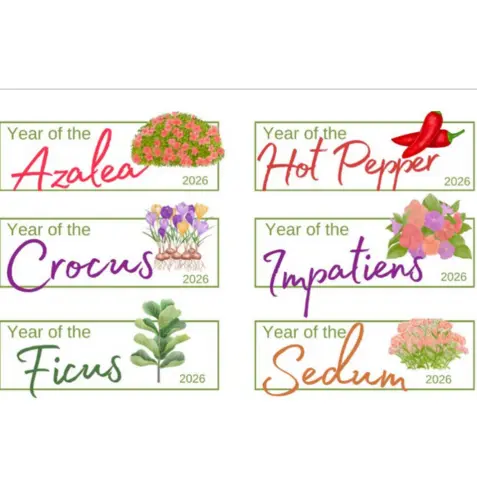
The National Garden Bureau just revealed its six highlighted crops for 2026—Azalea, Crocus, Ficus, Hot Pepper, Impatiens, and Sedum—each chosen for ease of growing and strong marketing appeal. Starting in November, anyone will be able to download free promotional tools like signs, fact sheets, and graphics to help retailers promote these crops without extra work by going to their website. This is a great chance to get ahead and refresh your offerings for next year. Read More
US Drought Monitor: September 4, 2025 Map
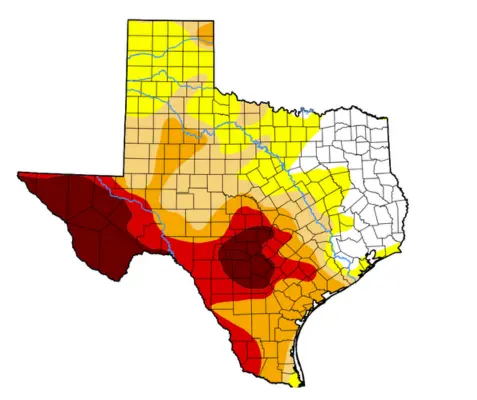
On this week’s map, improvements were made in eastern Texas in response to locally heavy rainfall (ranging from 2 to 6+ inches) observed during the past week. Elsewhere, short-term dryness led to introduction of areas of Abnormally Dry (D0) in areas of Texas including the Panhandle and Edwards Plateau. Read More
Gratitude Builds Stronger Business Relationships
Saying “thank you” does more than show good manners — it helps keep customers coming back and employees engaged. Industry veteran Sue Markgraf shares how appreciation can strengthen trust and loyalty in today’s green industry. Read More
Precision Irrigation Anchors Regenerative Farming
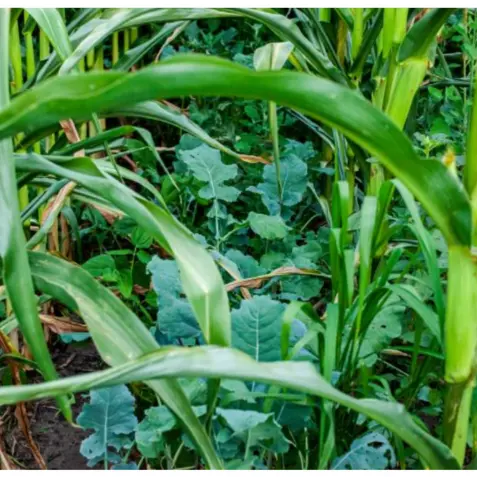
Precision and microirrigation systems go beyond saving water—they support soil health, reduce runoff, preserve soil structure, and even open doors to incentive programs. For West Texas operations facing drought and heat challenges, these systems can help enhance biodiversity and stabilize yields while cutting input costs. Read More